Publications grouped by topic. Archived collections remain available.
THE SUBJECT INDEX
32 subjects across defense, frontier and cyber
PUBLICATIONS
Reports, papers and analysis
All publications
Dates refer to publication, where verified.
PUBLISHER DIRECTORY
Publisher coverage and access
Research institutes, specialist publications, university centres and public bodies. Each source has a dated page check and a record of its coverage. Access terms are reviewed separately; individual downloads may have additional restrictions.
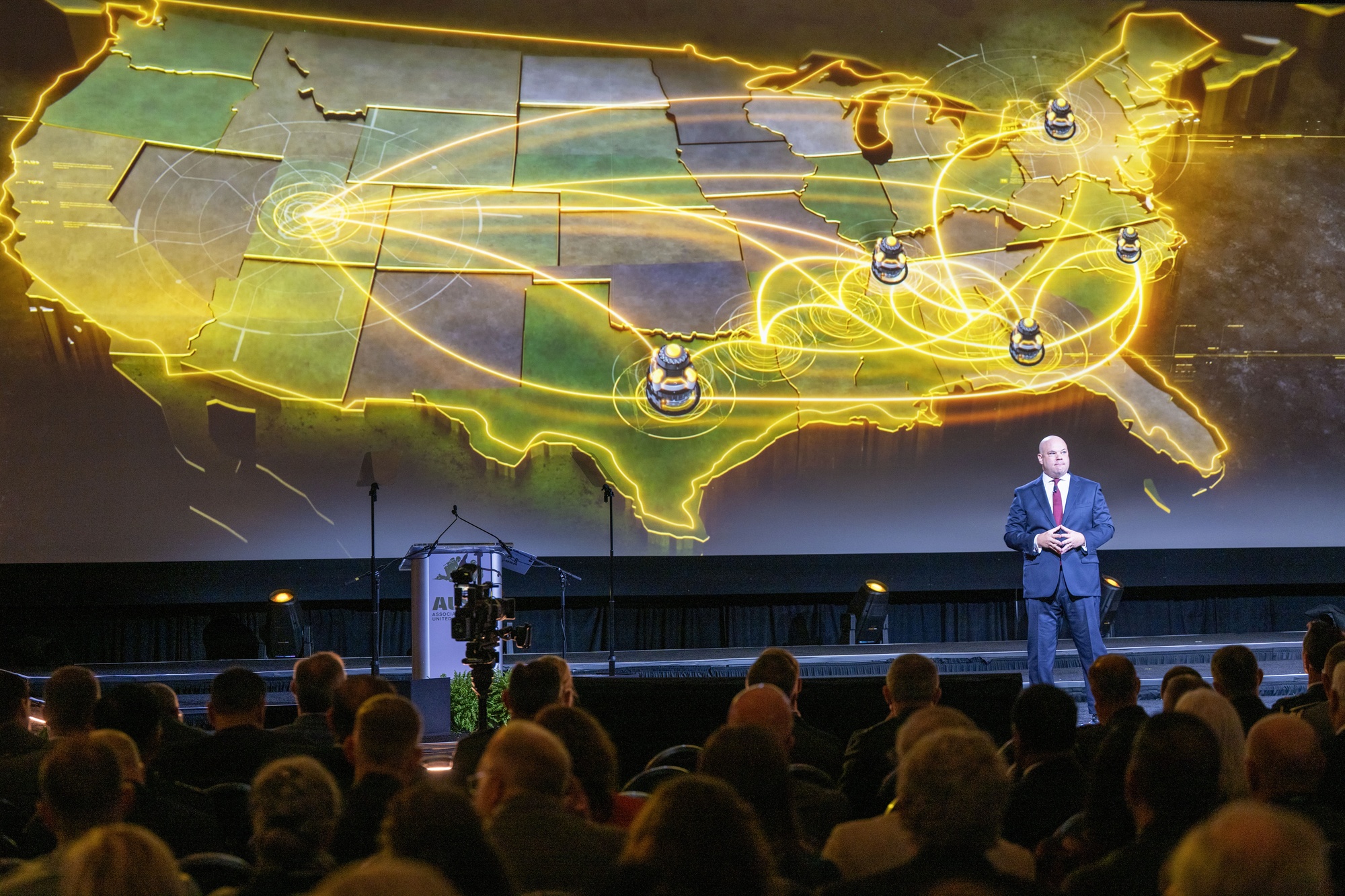
FASCOM would bring Army autonomy development under one command. The 13 October announcement linked it to the previously announced autonomy acquisition executive. Project Agincourt’s separate joint command remained proposed, with congressional approval and funding unresolved.
Telle called for open architecture and the Army’s right to repair. His procurement direction included access to data held in proprietary systems; suppliers’ actual interface, data and support obligations still depend on individual contracts.
Nine NGC2 application suppliers received about $93.6 million in initial one-year awards. Announced on 7 October, before AUSA, the awards support delivery to I Corps and wider scaling; they do not establish Army-wide deployment.
Lexington agents had limited network access; wider software access was still planned. Officials described supervised agents with narrow permissions. Gatekeeper was due on 23 October with CAC access first and Login.gov targeted for mid-November; Griffin award outcomes remained unconfirmed at the report’s 19 October cutoff.
$4.5 million in xTech prizes was awarded at AUSA. Four Fires finalists received $1 million each and five Endurance power-technology winners $100,000 each. These are prizes, separate from production orders and the possible $20 million Fires total.
Eight partner nations signed drone-marketplace statements of intent. The Army described a faster government-to-government purchasing route through pre-cleared configurations and existing contracts. The signatures did not establish purchase orders or deliveries.
An early-2027 Manufacturing Rodeo would test industrial weaknesses. Rules were still pending; a Korea-based repair hub remained an ambition. Allen Control Systems said production could expand once funded orders arrived, illustrating the gap between capacity plans and purchasing commitments.
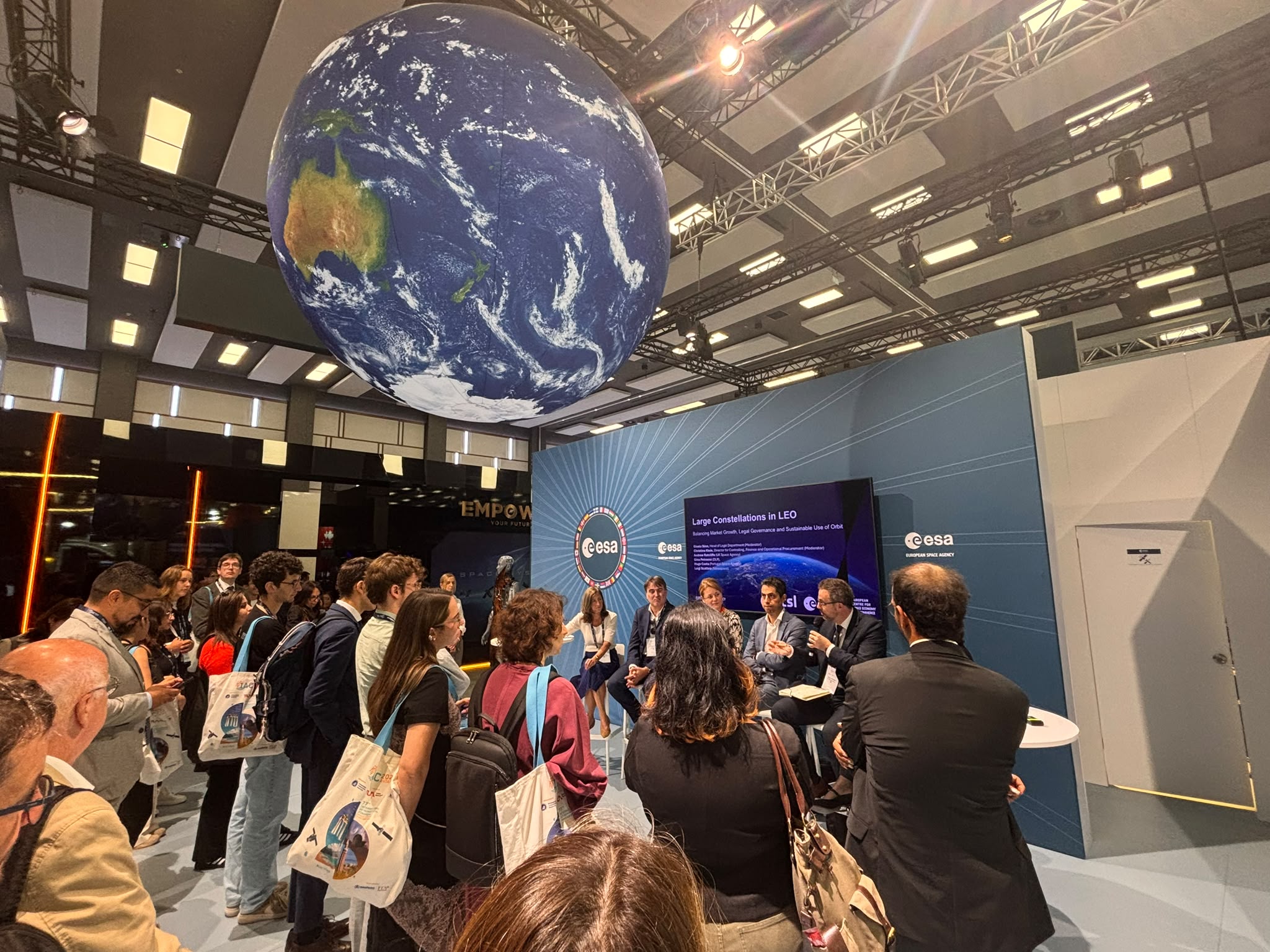
ESA was preparing astronaut-transport, orbital-station and lunar options for 15 December. Costs, schedules and scenarios were being assessed for the Rome ministerial meeting; Antalya brought no newly authorised programme or disclosed procurement budget.
ESA and Vast signed a three-year study framework; Starlab opened a call for prospective users. The Vast roadmap could lead to binding agreements, while UNOOSA sought research requirements by 31 January 2027. Neither announcement booked station capacity or established a funded customer backlog.
ispace selected ArianeGroup thrusters and contracted ULTRA lander integration services. A wider memorandum explored future production, while a separate Leonardo–Telespazio agreement considered lunar communications and possible Moonlight satellite transport. That transport role remained a proposal, without an awarded delivery contract.
SpaceX called for sharing predicted satellite movements after close approaches. Ars Technica reported the appeal from Michael Nicolls and Amazon’s account of regular launch coordination and orbital-information exchanges with SpaceX. These were operator accounts, not an independent safety certification.
ESA and the astronomy community agreed to tackle reflected light and unwanted radio emissions. Their joint work considered darker spacecraft surfaces, quieter electronics and modelling effects on telescopes; the agreement did not certify any constellation as harmless.
The UAE delegation announced a YAOKI rover memorandum and opened PHI-3 payload-hosting applications. WAM reported Falcon Robotics’ exploratory agreement with Dymon and JAOPS, alongside the MBRSC–UNOOSA application route. These were distinct opportunities, without evidence of a completed mission or payload flight.
Official and trade accounts disagreed on whether the Antalya peace declaration was adopted. TUA reported adoption and support from 32 representatives of 21 countries; SpaceWatch.Global’s public summary reported no adoption at the IAF meeting. The published text did not resolve institutional adoption.
Autonomous airpower meets the delivery test: the buying models, base-defence commitments, space-force growth plans and cyber dependencies behind the National Harbor headlines.
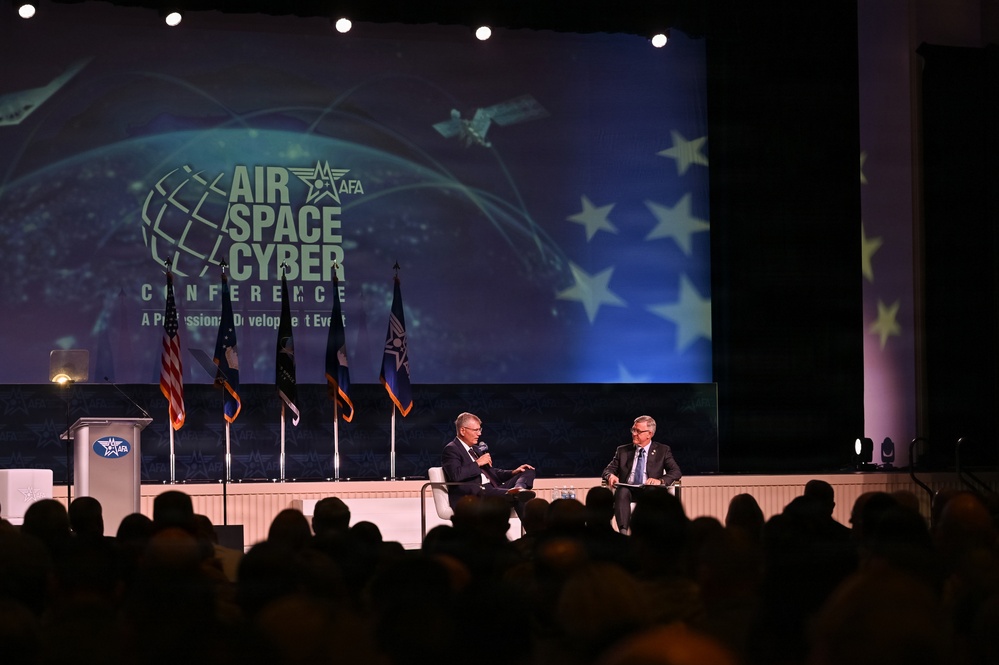
The Air Force targeted 500 CCAs and 500 Massed Modular Aircraft by 2032. It named the FQ-42 Vengeance and FQ-44 Fury, outlined an eventual purchase of about 1,000 CCAs, and set an initial MMA target of 100 in 2029. These are acquisition and fielding targets, not delivered inventory.
CCA mission-autonomy software was being acquired separately, initially through licensing. Helfrich distinguished it from flight autonomy; Bartlett described rapid operator feedback but said a real large-force exercise with the aircraft had not yet occurred.
Lockheed planned five Vectis prototypes, with first flight targeted for late 2027. No customer, contract or unit price was announced. Swarm unveiled Gamera, while Textron and Merlin proposed SkyCourier UX for roughly 6,000 pounds of cargo; these were an unveiling and a logistics concept, not procurement awards.
Wilsbach announced a point-defence system combining kinetic and non-kinetic capabilities, plus a new career field. The career field was intended to become operational within two years. The counter-drone panel also highlighted magazine depth and reload limits; no winning vendor or procurement value was disclosed.
Schiess said Guardians already operated weapons on orbit. His keynote did not identify the systems, disclose readiness data or announce a new procurement award.
Space Force leaders planned to double the service over five years. Gagnon said two-thirds of planned growth would go to Combat Forces Command, with training, facilities and logistics needed to support it. These were expansion plans, not completed hiring or enacted funding.
One Stop Systems stressed processing near sensors; SNC stressed verifiable AI output. OSS described connectivity and latency constraints; SNC’s William Duhe emphasised calibration and measurable uncertainty. These were supplier perspectives, not independent proof of deployed performance.
ESA photographs are used for editorial reporting. Their use does not imply ESA endorsement.
The appearance of U.S. Department of War (DoW) visual information does not imply or constitute DoW endorsement.
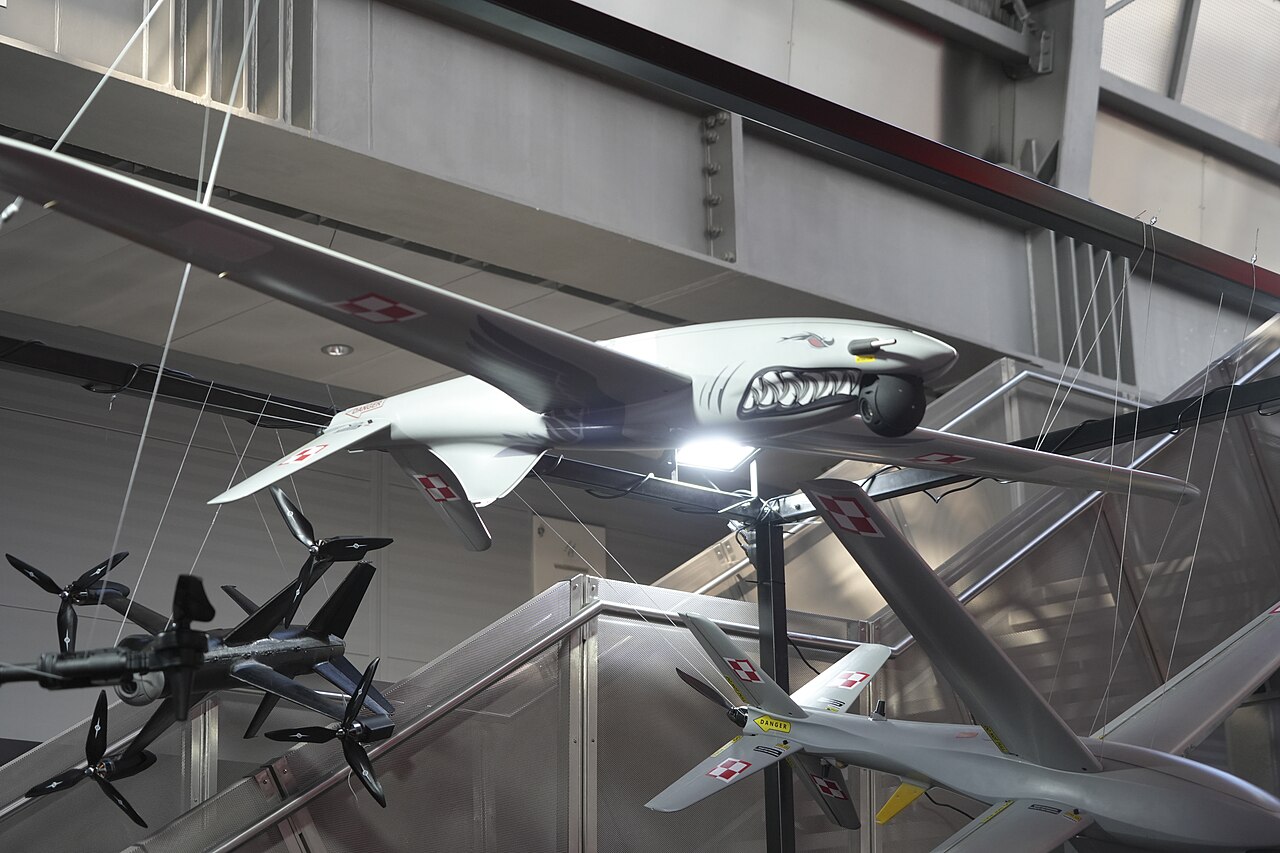
From PIORUN orders to industrial rights: what Kielce’s contracts, partnerships and demonstrators mean for procurement, domestic production and supplier opportunities.